What Is Peri-Implantitis? The Warning Signs That Could Put Your Dental Implant at Risk
New Title
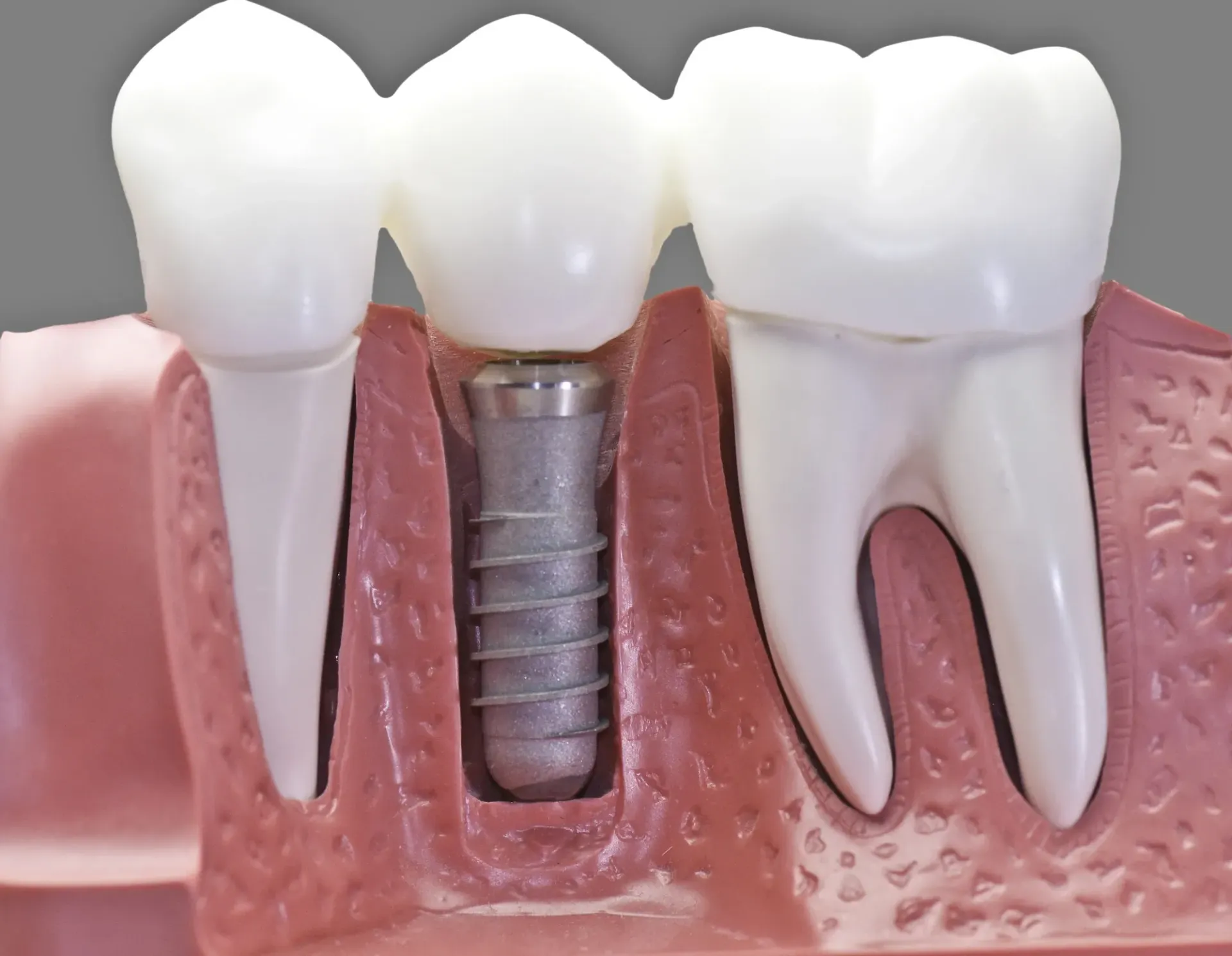
Dental implants can provide a durable way to replace missing teeth, but they still require ongoing care. Dental implants in Missoula, MT depend on healthy gums and supporting bone to remain stable.
Peri-implantitis is an inflammatory condition that can affect the tissues around an implant and, if left untreated, may lead to bone loss and threaten the implant. Knowing the warning signs can help you seek care before the problem progresses.
What Exactly Is Peri-Implantitis?
Peri-implantitis involves inflammation and infection around a dental implant, including the tissues and bone supporting it. It can develop when bacteria and plaque accumulate around the implant and trigger an inflammatory response.
More Than Just Irritated Gums
Peri-implant mucositis is an earlier condition involving inflammation of the soft tissues around an implant without the same type of supporting bone loss. Without appropriate care, however, inflammation may progress and affect the bone surrounding the implant.
Because peri-implantitis can develop gradually, regular dental visits are important for monitoring the health of your implant.
Warning Signs You Shouldn't Ignore
Peri-implantitis does not always cause obvious symptoms in its early stages. When signs do occur, they may include:
- Red, swollen, or tender gums around an implant
- Bleeding when brushing or cleaning around the implant
- Pus or other drainage
- Persistent bad breath or an unpleasant taste
- Gum recession
- Increasing discomfort
- Changes in implant stability or looseness
These symptoms do not necessarily mean you have peri-implantitis, but they should not be ignored. Getting your implant checked out when you notice any changes gives your dental team an opportunity to identify the cause and recommend appropriate care.
How Can Peri-Implantitis Affect an Implant?
Inflammation around an implant can damage the bone that helps keep it securely in place. As bone loss progresses, the implant may have less support and become increasingly unstable.
Advanced peri-implantitis can potentially contribute to implant failure. Early diagnosis may make treatment more manageable and help protect the surrounding tissues. This is one reason routine dental and periodontal examinations remain important even when an implant feels completely normal.
How Is Peri-Implantitis Treated?
Treatment depends on the severity of the inflammation, infection, and any bone loss that has occurred. Your dental professional will evaluate the implant and surrounding tissues before recommending a treatment plan.
Depending on the situation, care may include:
- Professional removal of plaque and bacteria
- Improved at-home oral hygiene
- Treatment of infected or inflamed tissues
- Periodontal therapy or laser treatment when appropriate
- More advanced treatment when significant bone loss is present
The goal is to control the infection and, whenever possible, protect the tissues that support the implant.
How to Help Protect Your Dental Implant
Dental implants are not maintenance-free. Brushing twice daily, cleaning carefully around implants, and attending regular dental appointments can help support their long-term health.
Pay attention to changes such as bleeding, swelling, discomfort, or gum recession, and let your dental team know if you notice anything unusual.
Frequently Asked Questions
Can peri-implantitis cause an implant to fail?
Advanced inflammation and bone loss can compromise implant stability and may contribute to implant failure.
Can peri-implantitis be prevented?
Good oral hygiene, professional maintenance, and prompt treatment of inflammation can help reduce the risk.
Does peri-implantitis always cause pain?
No. It can sometimes develop with few noticeable symptoms, making regular examinations especially important.
Protect Your Dental Implants in Missoula, MT, Before Problems Progress
At Missoula Dental, we know that a dental implant may feel like a natural part of your smile, but it still needs regular professional care. If you notice bleeding, swelling, drainage, gum changes, bad breath, discomfort, or looseness around an implant, don't wait for the problem to worsen.
Schedule an appointment for an evaluation and personalized care. Early attention can help protect the health, stability, and longevity of your implant.