Scared of the Dentist? What Sedation Dentistry Actually Feels Like
This is a subtitle for your new post
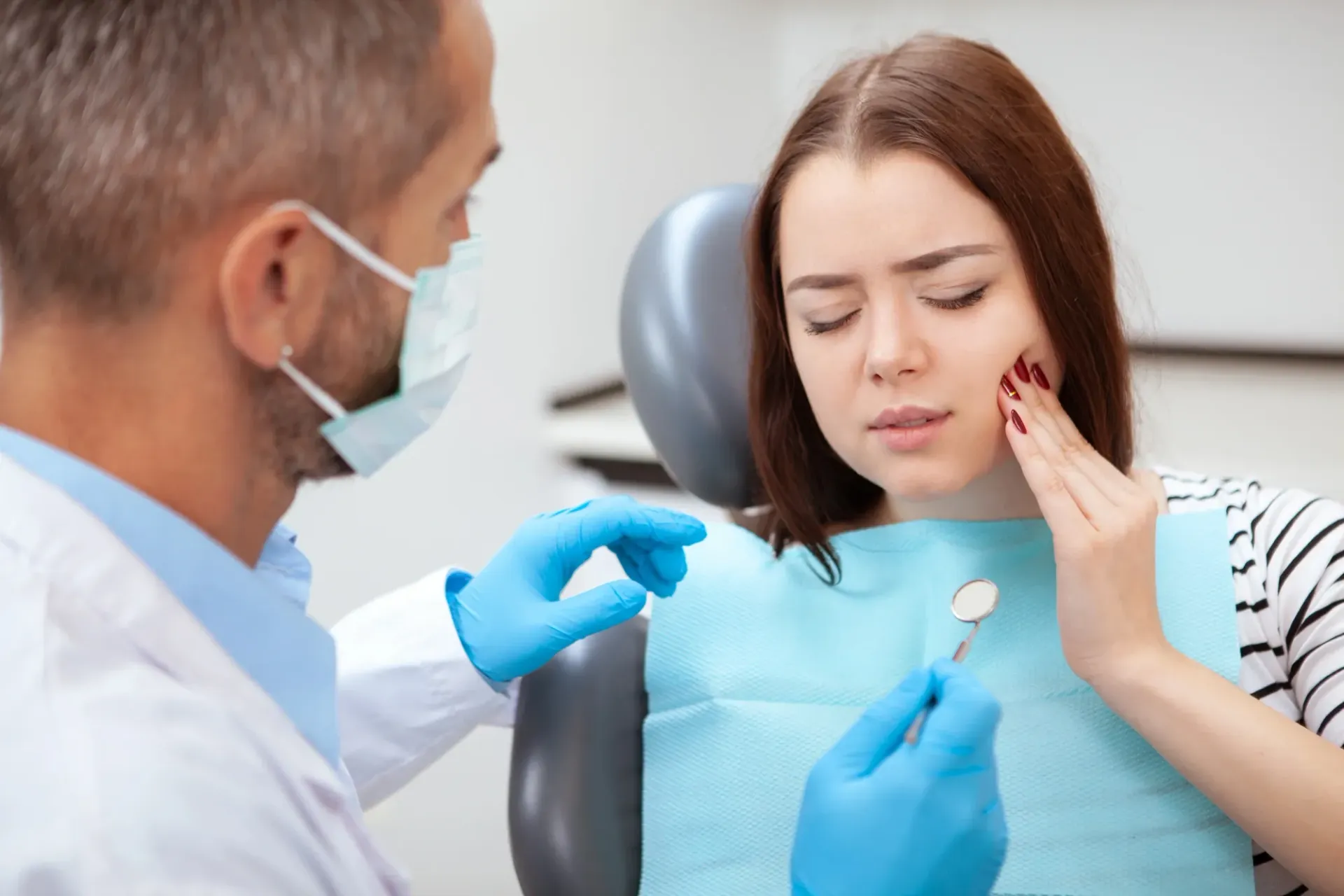
If the thought of sitting in a dental chair makes you nervous, you're not alone. Dental anxiety can make necessary care feel overwhelming, but sedation dentistry may help some patients feel more relaxed and comfortable.
A sedation dentist in Missoula, MT can discuss different options, including oral sedation, IV sedation, and general anesthesia, and help determine which approach may be appropriate for your needs.
What Does Sedation Feel Like?
Sedation dentistry is designed primarily to reduce anxiety and promote relaxation. However, the experience can vary depending on the medication, method, and level of sedation used.
Patients may experience:
- A feeling of calm or relaxation
- Drowsiness
- Reduced awareness of the procedure
- A sense that time passed quickly
- Limited memory of portions of the appointment with certain forms of sedation
Sedation does not necessarily mean being unconscious. Your dental team will explain what to expect and monitor you throughout treatment.
Oral Sedation: A Calmer Start to Your Appointment
Oral sedation involves taking prescribed medication before dental treatment. Depending on the medication and dose, it may leave you feeling relaxed, sleepy, or less focused on your surroundings.
Because oral sedation can affect alertness and coordination, patients generally need to arrange transportation and follow their dentist's instructions carefully. Your dental team will provide specific guidance about when to take the medication and what to do before your appointment.
IV Sedation: Relaxation During Treatment
IV sedation is administered through a vein, allowing its effects to begin relatively quickly. Depending on the level of sedation, you may feel deeply relaxed or drowsy while remaining responsive to the dental team.
What Patients May Notice
Some patients remember little about their appointment afterward. However, everyone's experience is different. Throughout treatment, your dental team monitors your vital signs and adjusts care as appropriate.
After IV sedation, you will need someone to drive you home and should follow all post-sedation instructions carefully.
What About General Anesthesia?
General anesthesia produces a deeper state of unconsciousness than typical conscious sedation. It may be recommended for certain situations, but it is not necessary for most routine dental procedures.
Your dentist will consider factors such as your health, medical history, anxiety level, and the type of dental treatment you need when determining whether general anesthesia is appropriate.
What Happens After Sedation?
Feeling groggy or drowsy after a procedure that involves sedation can be normal. Recovery depends on the type of sedation used and your individual response.
After treatment, you may need to:
- Have a responsible adult drive you home
- Rest for the remainder of the day
- Avoid driving until you have been cleared to do so
- Follow your dentist's post-treatment instructions
Your dental team will explain any specific precautions before you leave the office.
Frequently Asked Questions
Will I be awake during dental sedation?
It depends on the method. Some forms allow you to remain awake and responsive, while general anesthesia produces unconsciousness.
Will sedation completely eliminate pain?
Sedation primarily helps with anxiety and awareness. Local anesthesia is typically used separately to numb the treatment area.
Is sedation right for everyone?
Not necessarily. Your dentist will consider your health, medications, medical history, and treatment needs.
Feel More Comfortable About Your Next Dental Visit with a Trusted Sedation Dentist in Missoula, MT
At Missoula Dental, we believe that anxiety should not keep you from getting the care you need. If you're nervous about an upcoming appointment, talk openly with your dental team about your concerns and ask whether sedation may be an appropriate option.
Schedule an appointment today to discuss your anxiety, explore your options, and find a more comfortable approach to dental care.