Emergency Dentist vs. Emergency Room: Where Should You Go for a Dental Problem?
This is a subtitle for your new post
A sudden toothache, broken tooth, or facial swelling can leave you wondering where to turn. Should you visit the emergency room or contact an emergency dentist in Missoula, MT?
While both provide urgent care, they serve different purposes. Knowing where to go can help you get the right treatment sooner and avoid unnecessary delays when you need relief.
When Should You Call an Emergency Dentist?
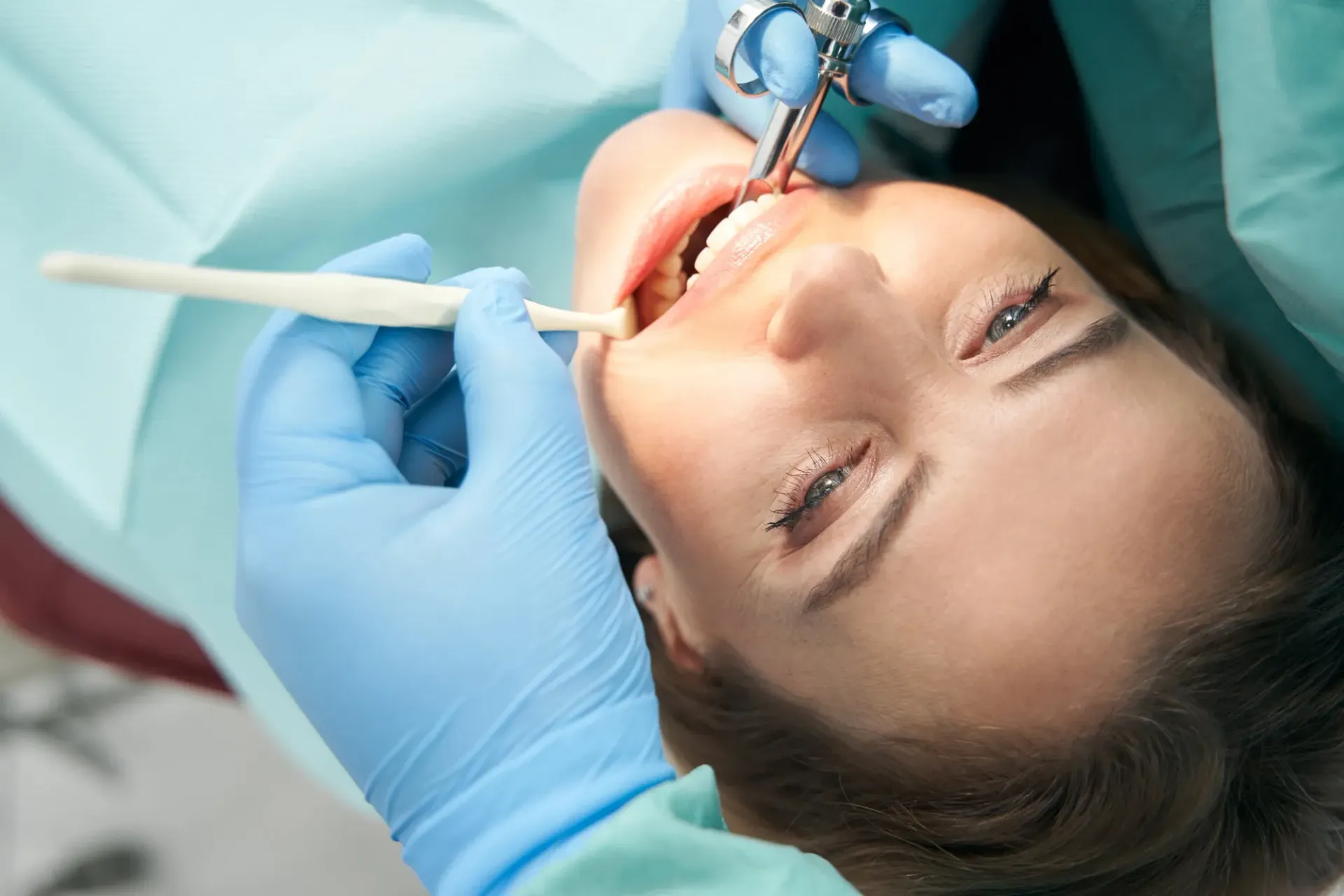
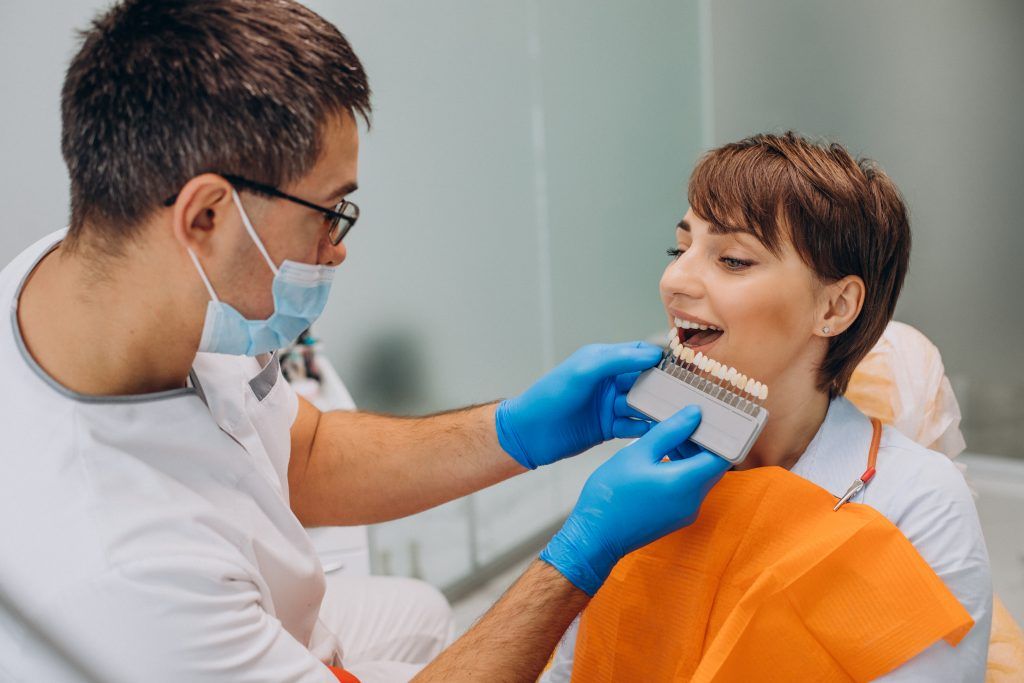
An emergency dentist is equipped to evaluate and treat urgent problems involving your teeth, gums, and dental restorations. If the issue is primarily dental, a dentist is generally the right place to start.
Common Reasons to Seek Urgent Dental Care
- Severe or persistent tooth pain
- A cracked, broken, or knocked-out tooth
- A dental abscess or localized swelling
- A lost filling or dental crown
- Significant sensitivity or pain after dental trauma
Depending on the cause, an emergency dentist can determine whether you need treatment such as a restoration, root canal, or extraction.
When Is the Emergency Room the Better Choice?
An emergency room may be more appropriate when a dental problem is accompanied by potentially serious medical symptoms. For example, rapidly progressing facial swelling can sometimes affect the airway and requires immediate attention.
Seek emergency medical care for symptoms such as:
- Difficulty breathing or swallowing
- Severe or rapidly increasing facial swelling
- Uncontrolled bleeding
- Major facial or jaw trauma
- Loss of consciousness or other serious injuries
Once immediate medical concerns have been addressed, you may still need to see a dentist for definitive treatment of the underlying dental problem.
What Can an Emergency Dentist Do That an ER May Not?
Emergency departments can provide medical stabilization and may help manage pain or serious infection-related complications. However, they generally are not equipped to provide comprehensive dental treatment.
An emergency dentist can examine the affected tooth and address the underlying dental problem. Depending on your situation, treatment may include:
- Root canal therapy
- Dental restorations
- Treatment for dental infections
- Tooth extraction when necessary
- Repair or replacement of damaged restorations
Getting dental-specific treatment promptly can help prevent a manageable problem from becoming more complicated.
What Should You Do While Waiting for Care?
Contact a dental office as soon as possible and explain your symptoms. Until you are evaluated, keep the area clean and avoid chewing on the affected side if doing so causes discomfort.
If a permanent tooth has been knocked out, handle it carefully by the crown rather than the root and seek professional care immediately. If you have difficulty breathing, uncontrolled bleeding, or severe swelling, do not delay emergency medical attention.
Frequently Asked Questions
Should I go to the ER for a toothache?
A typical toothache is generally best evaluated by a dentist. Severe swelling or other serious symptoms may require emergency medical care.
Can an ER fix a broken tooth?
An ER can address serious injuries and medical complications, but definitive restorative dental treatment typically requires a dentist.
Is a dental abscess an emergency?
A dental abscess requires prompt dental evaluation, particularly if swelling, fever, or difficulty breathing or swallowing develops.
Don't Wait When You're in Pain: Visit a Trusted Emergency Dentist in Missoula, MT
When a dental problem strikes, knowing where to go can help you get appropriate care faster. If you're experiencing severe tooth pain, a broken tooth, swelling, or another urgent dental concern, contact our team at Missoula Dental for an evaluation.
Schedule an appointment today so your dental emergency can be diagnosed and treated as promptly as possible.